Choosing the Right Solvent
Sterile, pH-appropriate solvents should be used for dissolving peptides. The most common and recommended choices are those that preserve peptide integrity, minimize degradation, and align with the intended research application.
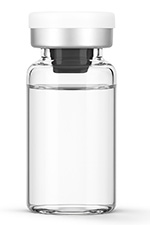
Bacteriostatic water (BAC)
Best for most peptides; includes 0.9% benzyl alcohol to deter bacteria and
extend shelf life.
Which Solvent should be used?
Selecting the correct solvent for peptides for their stability and solubility is important, different peptides dissolve best in different solutions
Proper solvent choice not only influences peptide solubility but also impacts experimental reproducibility and long‑term stability. Researchers often evaluate factors such as pH, ionic strength, and the presence of antimicrobial agents to minimize degradation and contamination. Using an appropriate solvent ensures accurate results, reduces waste, and maintains peptide integrity throughout the study.
Pure Sterile Water
Widely accessible, but not ideal for peptide longevity. Without buffering agents, it can accelerate degradation and increase contamination risk if not used promptly. For best results, researchers recommend to use within 1–4 days. (Keep Refrigerated) avoid repeated freeze thaw cycles for optimal stability.)
Bacteriostatic Water
The most widely used solvent for peptide reconstitution due to its antimicrobial agent (0.9% benzyl alcohol), which helps inhibit bacterial growth. Its extended shelf life is typically 1–90 days this makes it ideal for multi-use research applications requiring consistent sterility (Keep Refrigerated)
Acetic Acid
For peptides that resist dissolution or form aggregates in aqueous solutions, Acetic Acid offers a targeted approach. Its acidic profile enhances solubility and minimizes clumping due to its low pH helping brake peptide bonds for better solubility. Shelf life ranges from 1 to 14 days, depending on peptide complexity and handling.(Keep Refrigerated)
DMSO
Dimethyl Sulfoxide (DMSO) is a powerful solvent ideal for hydrophobic peptides that resist dissolution and are poorly soluble in water-based solvents. It can penetrate biological membranes therefor improving solubility but it requires very careful handling. Shelf life typically ranges from 1 to 14 days, depending on peptide structure and storage conditions. (Keep Refrigerated)
Common Reconstitution Mistakes and How to Avoid Them
Improper mixing techniques, incorrect solvent choice, and rushed handling can compromise peptide integrity. This guide highlights key reconstitution errors and offers clear, science-backed tips to ensure consistency, stability, and reliable research outcomes.
By following standardized protocols and adopting careful handling practices, researchers can significantly reduce variability and safeguard peptide quality. Attention to details such as gradual mixing, maintaining sterile conditions, and monitoring storage parameters ensures reproducible results and maximizes the reliability of experimental data
Handling
Never shake reconstituted peptides after adding the solvent. Shaking the solution can break the peptide's delicate molecular bonds, rendering the compound ineffective and unstable. Gently swirl or tilt the vial until the peptide fully dissolves naturally.
Solvent Choice
Using the Wrong Solvent, Some peptides require specific diluents to dissolve properly. For example, bacteriostatic water is ideal for most peptides, but certain peptides like GHRP-2 and GHRP-6 may dissolve better in acetic acid (0.6%). Always check which solvent is best for your peptide.
Solvent Volume
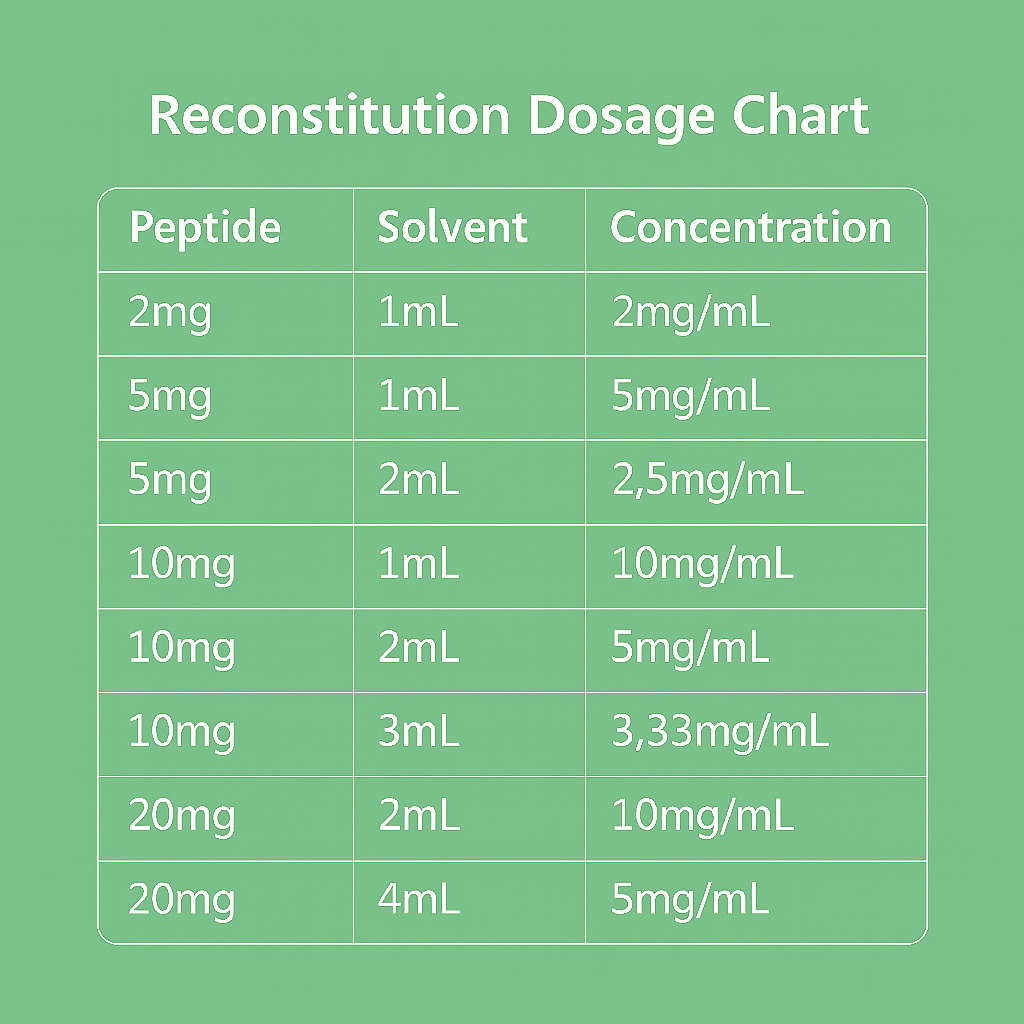
Incorrect Solvent Volume, adding too little or too much solvent can alter the concentration and lead to incorrect results. Always use a peptides calculator to ensure the correct mg/ml ratio, preventing dosing errors and maintaining experimental accuracy and reproducibility.
What You Will Need
- 10 mg research peptide vial (e.g., BioPlex Peptides premium-grade, lyophillized vial)
- Bacteriostatic water or the apprpriate alternative eg (DMSO or Acetic Acid)
- 1 ml sterile syringe (29–30g needle) for precise withdrawal
- Sterile cleaning solution for cleaning vial tops and worktops
- Dosage Calculator to determine dilution ratios and microgram-per-unit volumes
- Labels for storage
For reference: 10 mg = 10,000 mcg
Preparation Steps

Allow the Vial to Reach Room Temperature
Allow the peptide vial adjust to room temperature for approximately 30 minutes. Avoid reconstitution while the peptide is cold, condensation can dramatically compromise the quality and may become nonsterile

Withdraw the Solvent
Using a sterile syringe, draw you required amount of bacteriostatic water or your chosen solvent *Example 1ml (10 Units, of solution for a 10mg Vial)

Add the Solvent Carefully
Insert the needle at a 45° angle, letting the solvent or liquid run slowly down the inside wall of the vial, minimising bubble formation.

Gently Dissolve
Swirl the vial very gently to ensure the peptide has fully dissolved. Avoid shaking, this can seriously damage the fragile peptide bonds.

Confirm Dissolution and Calculate Dosage
When the solution is clear, it's ready for testing or aliquoting. With the ratio given, every 0.1 ml (10 units) equates to 1 mg of peptide. Always double-check with a peptide calculator.

Storage and Labelling
Divide the reconstituted solution into single-use aliquots if needed to prevent repeated freeze-thaw cycles.
Label with peptide name, concentration, date, and storage conditions.

Store Appropriately
Store lyophilized peptides at minus 20°C or up to minus 80°C for long term storage up to 48 months.
Reconstituted peptides should be kept at 2–5°C and used within 1–12 weeks, unless frozen immediately after preparation.

Reach Out For Assistance
Ask a QuestionEach product comes with Certificate of Analysis confirming purity.
For peptide-specific datasheets, dosage calculators or detailed advice, our expert team is ready to help.
Quick Links
Policies
