Fast Worldwide Shipping With Tracked 48 hour DHL Express Delivery
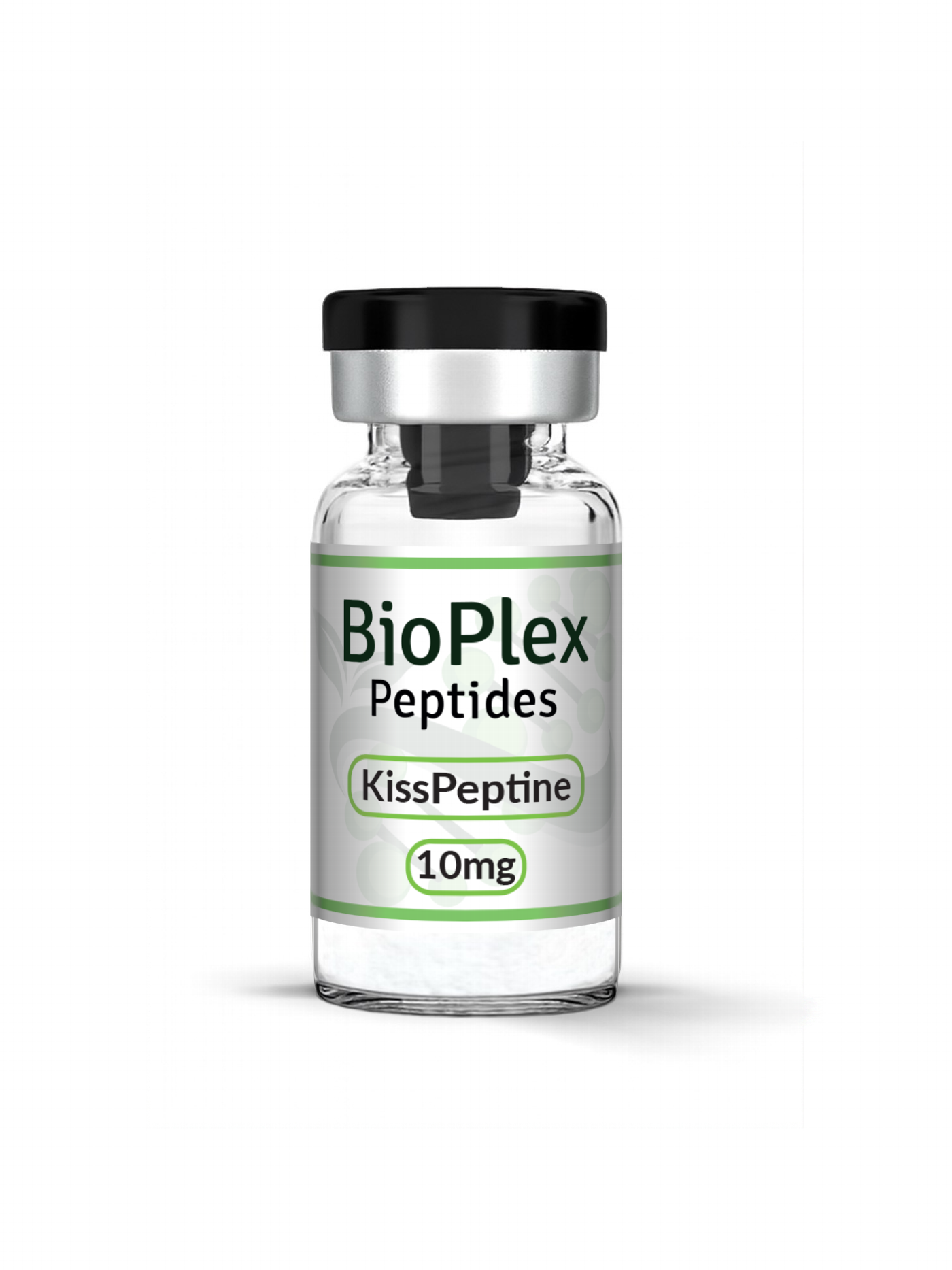
Kisspeptin-10 is a decapeptide derived from the biologically active region of the kisspeptin signalling system and is studied in laboratory research for its role in neuroendocrine pathway regulation. It is examined for its interaction with the GPR54 receptor and downstream signalling cascades involved in hormonal coordination. Research focuses on receptor binding dynamics signal amplification and intracellular messenger activation within controlled neurobiology and peptide signalling.
Kisspeptin is a naturally occurring neuropeptide encoded by the KISS1 gene and plays a central role in neuroendocrine signalling and reproductive axis regulation. It is extensively studied for its ability to activate specific G-protein-coupled receptors involved in hypothalamic signalling pathways, making it a critical molecule in endocrine and neurobiological research. Due to its foundational role in hormonal signalling cascades, Kisspeptin is regarded as a cornerstone peptide in neuroendocrine science. In laboratory research environments, Kisspeptin is utilised to investigate hypothalamic pituitary signalling networks, neuropeptide communication, and endocrine feedback regulation. Its precise receptor specificity and well characterised molecular activity allow researchers to study complex neuroendocrine pathways with high accuracy and reproducibility. Kisspeptin’s extensive documentation and central biological function make it an essential research tool in advanced neuroendocrine and molecular signalling studies.
(Recommend, Reconstitute with-Acetic Acid)
Kisspeptin peptides bind to the GPR54 receptor, also known as the KISS1 receptor, which is expressed in key regions of the hypothalamus involved in neuroendocrine regulation. Receptor activation initiates intracellular signalling cascades that regulate downstream hormone-releasing pathways, positioning Kisspeptin as a master regulator within endocrine signalling networks studied at the molecular level. At the cellular level, Kisspeptin signalling influences gene expression and neuronal communication associated with hormonal rhythm generation and endocrine feedback loops. Its role in coordinating upstream neuropeptide signals provides critical insight into how central nervous system signalling integrates with endocrine control mechanisms. The specificity and potency of Kisspeptin receptor interactions distinguish it from many other neuropeptides, making it a valuable compound for studying precision neuroendocrine regulation and signalling hierarchy.
Kisspeptin is extensively researched in neuroendocrinology, molecular biology, and endocrine signalling science, particularly in studies examining hypothalamic regulation, hormone release coordination, and neuropeptide driven feedback mechanisms. Researchers utilise Kisspeptin to explore signalling dynamics within the hypothalamic pituitary axis in controlled experimental models. In neuroscience research, Kisspeptin is employed to investigate neuropeptide receptor activation, intracellular signalling cascades, and gene expression modulation linked to endocrine communication pathways. These studies contribute to a deeper understanding of how neuroendocrine signals are generated and maintained. Additionally, Kisspeptin is used in advanced research exploring endocrine network modelling, neuropeptide interaction systems, and central regulation of hormonal signalling. Its critical role in neuroendocrine communication makes Kisspeptin one of the most important peptides in modern endocrine research.
Note: Reconstitute with 50% Bacteriostatic (BAC) water and 50% Acetic Acid for best results.
PT-141 10mg
Argireline 10mg
Melanotan-1 10mg
Trade supply
Peptides sets
Bulk purchase range
Kisspeptin-10 is a decapeptide derived from the biologically active region of the kisspeptin signalling system and is studied in laboratory research for its role in neuroendocrine pathway regulation. It is examined for its interaction with the GPR54 receptor and downstream signalling cascades involved in hormonal coordination. Research focuses on receptor binding dynamics signal amplification and intracellular messenger activation within controlled neurobiology and peptide signalling.
Kisspeptin is a naturally occurring neuropeptide encoded by the KISS1 gene and plays a central role in neuroendocrine signalling and reproductive axis regulation. It is extensively studied for its ability to activate specific G-protein-coupled receptors involved in hypothalamic signalling pathways, making it a critical molecule in endocrine and neurobiological research. Due to its foundational role in hormonal signalling cascades, Kisspeptin is regarded as a cornerstone peptide in neuroendocrine science. In laboratory research environments, Kisspeptin is utilised to investigate hypothalamic pituitary signalling networks, neuropeptide communication, and endocrine feedback regulation. Its precise receptor specificity and well characterised molecular activity allow researchers to study complex neuroendocrine pathways with high accuracy and reproducibility. Kisspeptin’s extensive documentation and central biological function make it an essential research tool in advanced neuroendocrine and molecular signalling studies.
(Recommend, Reconstitute with-Acetic Acid)
Kisspeptin peptides bind to the GPR54 receptor, also known as the KISS1 receptor, which is expressed in key regions of the hypothalamus involved in neuroendocrine regulation. Receptor activation initiates intracellular signalling cascades that regulate downstream hormone-releasing pathways, positioning Kisspeptin as a master regulator within endocrine signalling networks studied at the molecular level. At the cellular level, Kisspeptin signalling influences gene expression and neuronal communication associated with hormonal rhythm generation and endocrine feedback loops. Its role in coordinating upstream neuropeptide signals provides critical insight into how central nervous system signalling integrates with endocrine control mechanisms. The specificity and potency of Kisspeptin receptor interactions distinguish it from many other neuropeptides, making it a valuable compound for studying precision neuroendocrine regulation and signalling hierarchy.
Kisspeptin is extensively researched in neuroendocrinology, molecular biology, and endocrine signalling science, particularly in studies examining hypothalamic regulation, hormone release coordination, and neuropeptide driven feedback mechanisms. Researchers utilise Kisspeptin to explore signalling dynamics within the hypothalamic pituitary axis in controlled experimental models. In neuroscience research, Kisspeptin is employed to investigate neuropeptide receptor activation, intracellular signalling cascades, and gene expression modulation linked to endocrine communication pathways. These studies contribute to a deeper understanding of how neuroendocrine signals are generated and maintained. Additionally, Kisspeptin is used in advanced research exploring endocrine network modelling, neuropeptide interaction systems, and central regulation of hormonal signalling. Its critical role in neuroendocrine communication makes Kisspeptin one of the most important peptides in modern endocrine research.
Note: Reconstitute with 50% Bacteriostatic (BAC) water and 50% Acetic Acid for best results.
PT-141 10mg
Argireline 10mg
Melanotan-1 10mg
Trade supply
Peptides sets
Bulk purchase range


Allow the vial to reach room temperature
This helps prevent condensation, which can compromise sterility when you open the vial.

Draw up the solvent
Using a sterile syringe, measure the precise amount of bacteriostatic water or your chosen solvent.

Inject the solvent gently
Insert the needle into the vial at a 45-degree angle so the liquid runs down the inside wall, which reduces bubbling and foam.

Dissolve the peptide
Swirl the vial gently until the peptide powder is completely dissolved. Avoid shaking, as this can damage the peptide bonds.

Aliquot the solution
If smaller, single-use portions are needed, divide the solution into sterile microtubes using a new, sterile syringe or pipette for each.

If you have any questions regarding our research peptides for sale, please feel free to reach out below.

Read More on Storage Guidelines
If you have any questions regarding our research peptides for sale, please feel free to reach out below.
Evri UK Tracked 1-2 Business Days
This costs; £4.99 per order
European DHL Express Tracked 1-2 Days
This cost; £24.99 per order
Bioplex Peptides offers fast and reliable 1-2 days delivery across the UK with full tracking included. Note; Due to the nature of our products, we only dispatch samples between Monday-Thursday, orders after 12pm will be shipped the following day.
*We aim to dispatch and deliver orders within the stated timeframes, but delays can occur due to severe weather, transport issues, public holidays, or other unforeseen events. Once an order has been dispatched, extended delivery times are outside our control.
United States of America & Canada 1-2 Business Days
This cost; £24.99 per order
International Delivery 1-3 Business Days
This cost; £29.99 per order
Bioplex Peptides offers fast and reliable 1-3 days worldwide delivery with full tracking included using the worlds fastest and most reliable courier available with a discounted rate for all EU & International customers. Delays may occur due to natural causes such as severe weather conditions, transportation disruptions, public holidays, or other unforeseen events. All international samples ship Monday–Saturday, ensuring steady worldwide delivery scheduling.
Orders are typically processed within 24hrs after payment confirmation. Custom peptide synthesis orders and wholesale orders may require additional lead time depending on complexity and quantity. Clients will be notified of estimated delivery timelines upon order confirmation.
We utilize reliable courier services such DHL Express Premium 1-2 Business days for all International deliveries and Evri & Royal Mail tracked 1-2 days delivery for all United Kingdom deliveries to ensure timely and traceable delivery. Shipping options may vary depending on destination, order size, and regulatory requirements.
BioPleX Peptides is not responsible for delays caused by customs clearance, weather disruptions, or carrier-related issues.
Due to the specialised and perishable nature of our research peptide products, BioPlex Peptides does not offer general refunds or accept returns once an order has been shipped. All purchases are considered final unless they meet specific criteria outlined below.
We do not provide refunds for products that have been correctly fulfilled and delivered. However, if an item arrives damaged, compromised, or incorrect due to an error on our part, we will offer a replacement at no additional cost. Claims must be submitted within 48 hours of delivery, accompanied by photographic evidence and a description of the issue.
If your parcel has not arrived within the estimated delivery window, please contact our logistics team promptly. We will initiate an investigation with the carrier and provide updates throughout the process. If the parcel is confirmed lost, we will issue a replacement shipment or credit, depending on the circumstances.
Orders may be cancelled within 24 hours of placement, provided production has not yet begun. Custom peptide synthesis orders are non-cancellable once processing has started. To request a cancellation, please email us at enquiries@bioplexpeptides.co.uk with your order number and reason for cancellation.
In the rare event that you receive a damaged or incorrect item, please notify us within 48 hours of receipt. Include your order number, photos of the product and packaging, and a description of the issue. We will assess the claim and, if validated, arrange for a replacement to be shipped promptly.
Read More on Our Returns & Refunds Policy
If you have any questions regarding our research peptides for sale, please feel free to reach out below.